The Convening Cost: Who Pays for Women’s Networks in UK Tech?

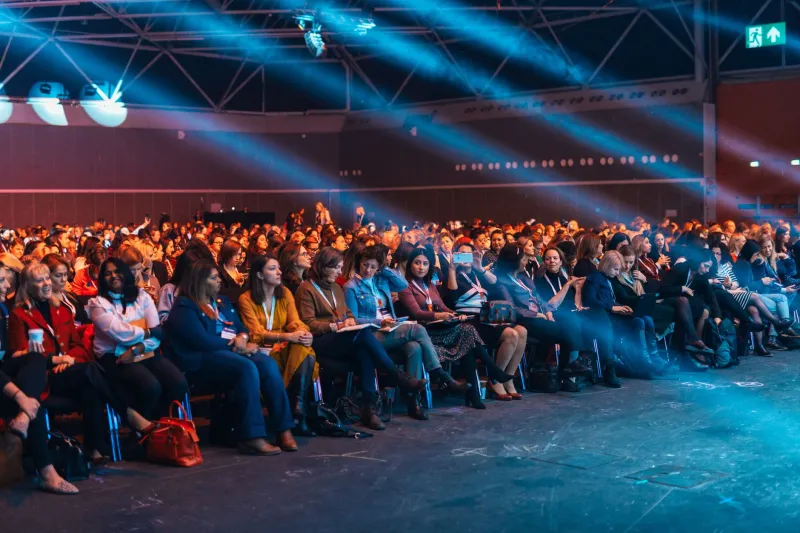
Photo: HeatherLynnzw, CC BY-SA 4.0, via Wikimedia Commons
Employee resource groups for women in UK tech are frequently described as communities, safe spaces, or engines of belonging. They are also workplaces within workplaces. Behind the panel events, mentoring circles, and monthly newsletters sits a substantial operational load: booking speakers, chasing room bookings, managing intranet pages, drafting submissions for awards, mediating conflicts, and providing the kind of first-line pastoral support that overstretched HR teams cannot always offer. That work is real, it is valuable, and too often it is unpaid.
The convening cost is the price women pay for making a network function. It is not usually a formal salary sacrifice. It appears instead as evenings lost, delivery deadlines compressed, development conversations postponed, and a portfolio of invisible labour that rarely appears in promotion evidence. In UK tech, where retention and progression remain stubbornly uneven, employers cannot afford to keep treating this labour as a voluntary extra.
The work behind the calendar invite
A women’s network does not run on goodwill alone. Someone coordinates the calendar, someone fields the confidential messages from colleagues who are struggling, someone prepares the quarterly update for the executive sponsor, and someone absorbs the disappointment when attendance falls. These tasks are administrative, emotional, and political. They require judgement about confidentiality, an understanding of company politics, and the ability to persuade senior leaders to release budget or time.
Yet because the output is often relational rather than commercial, it is easy to classify as culture work. Culture work is frequently assumed to be its own reward. That assumption is particularly costly for women, who are already more likely to be asked to organise, mentor, and smooth over friction in the workplace. The result is a familiar pattern: the people with the least spare capacity are asked to carry the largest convening burden.
Why the tax falls on women
The convening cost is not distributed evenly. It clusters around women in mid-level and senior roles who are visible enough to be credible and junior enough to be considered approachable. It also clusters around women from underrepresented groups within tech, who may be asked to represent multiple dimensions of diversity at once. The request often sounds flattering: you are a role model, you would bring gravitas, you understand the culture. Flattery is not a workload plan.
There is a career cost to this. Network leadership can build skills in stakeholder management, budgeting, public speaking, and strategic influence. It can also consume the time needed for billable delivery, technical upskilling, or the visible project work that promotion panels reward. When a woman spends her discretionary effort on retention work and then hears that she needs a stronger personal brand, the message is clear: the organisation valued the labour but did not count it.
The recognition gap
Recognition in UK tech often stops at visibility. A woman may be thanked on International Women’s Day, invited to a leadership lunch, or named in a diversity report. These gestures are not meaningless, but they are not compensation. They do not reduce workload, fund a deputy, or create a credible route to progression. They can even increase the convening cost by adding another speaking engagement to an already full diary.
In 2026, fair recognition should be concrete. That means allocated time within working hours, a budget for events and training, administrative support where the group is large, and a clear expectation that network leadership is a formal responsibility rather than an informal favour. Where the role carries significant scope, it should appear in objectives and be assessed in performance reviews. Employers should be wary of creating a two-tier system in which diversity work is praised but never promoted.
What fair looks like
A fair model starts with ownership. HR and people teams should own the strategic diversity and inclusion agenda, not delegate it to unpaid employee volunteers. The network can advise, challenge, and co-design, but it should not be the invisible delivery arm for retention strategy. Executive sponsors should carry accountability for resources, not merely lend their name to the launch event.
Fairness also requires rotation. No one should lead a network indefinitely because they are the only person who knows how the calendar works. Succession planning, documented processes, and shared leadership models reduce burnout and spread opportunity. Finally, employers should separate recognition from reward. A plaque is not a substitute for paid time, and a mentoring scheme is not a substitute for a properly resourced people function.
Questions for employers
Before the next network plan is approved, UK tech employers should ask:
- How many hours per month does network leadership actually require, and is that time protected in the leader’s workload?
- Is there a budget for events, accessibility support, training, and administrative help?
- Does network leadership appear in objectives, performance reviews, and promotion criteria?
- Who is accountable at executive level for removing blockers and resourcing the work?
- Are women from underrepresented groups being asked to carry a disproportionate share of diversity labour?
- What happens when the leader leaves, and is the knowledge documented?
Questions for women considering the role
Women are not obliged to accept every convening request. Before saying yes, it is reasonable to ask:
- What is the expected time commitment, and can it be capped in writing?
- Will I have a budget, a deputy, and administrative support?
- What authority does the role carry, and what decisions can I influence?
- How will this work be recognised in my objectives and progression conversations?
- Is the executive sponsor prepared to remove obstacles, or only to attend events?
- What is the exit plan if the role becomes unsustainable?
Employee resource groups can be genuinely valuable. They can create connection, surface problems, and give women in UK tech a platform that the formal hierarchy does not always provide. But value is not the same as costless. If employers continue to rely on unpaid female leaders to deliver retention work, they are not building an inclusive culture. They are running a hidden subsidy. The convening cost should be named, resourced, and shared.